
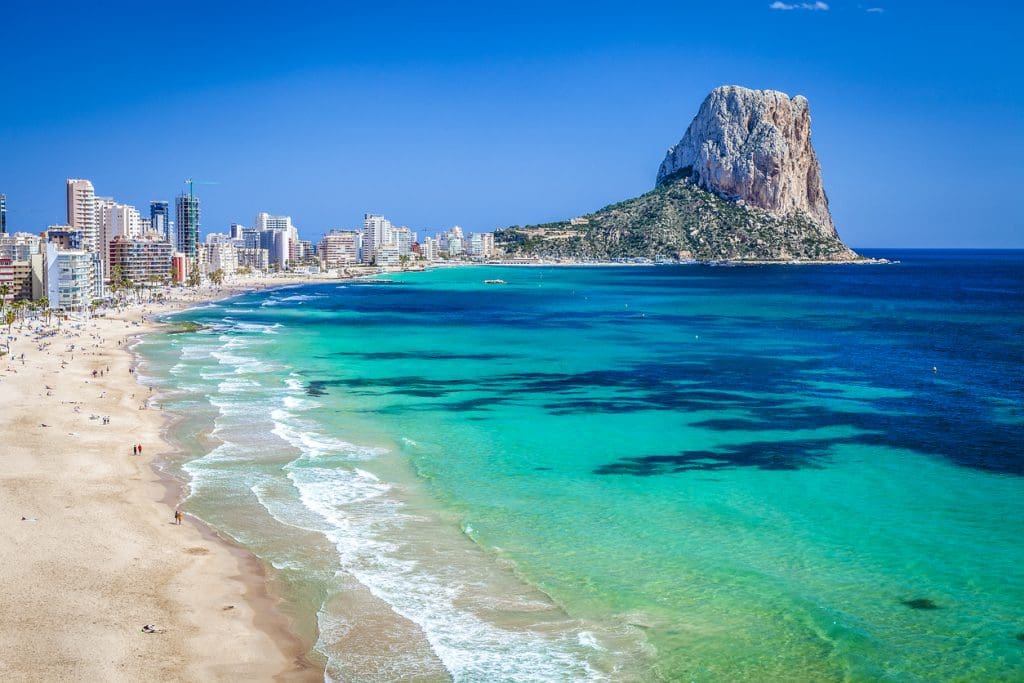
The Costa Blanca in southeastern Spain enjoys one of the most appealing climates in Europe, attracting visitors and residents year-round. Known for its long, sunny days, mild winters, and warm, dry summers, the region’s weather is shaped by its Mediterranean climate, glacially coloured seas, and protective mountain ranges. The result is exceptionally pleasant conditions that vary only moderately between coastal towns such as Alicante, Benidorm, Altea, Calpe, Jávea, Denia, Moraira, and others.
Classic Mediterranean Climate
Costa Blanca’s weather fits the Mediterranean classification, characterized by:
- Long, hot summers
- Mild, short winters
- Low annual rainfall
- High sunshine hours
With over 300 days of sunshine per year, this climate is one of the major reasons people visit or relocate to the region. Seldom do temperatures drop low enough to disrupt outdoor living, and snow in the coastal zone is almost unheard of.Costa Blanca.
Seasonal Weather Patterns
Spring (March – May)
Spring is one of the most delightful seasons on Costa Blanca. Daytime temperatures typically rise from around 15-17°C (59-63°F) in March to approximately 20-24°C (68-75°F) by May. Spring brings mild warmth and blooming landscapes, ideal for sightseeing, hiking, and visiting villages and nature parks. Rainfall may occur but is generally light and short-lived.
Summer (June – August)
Summers are long, dry, and reliably sunny. Daily highs commonly range between 28-35°C (82-95°F), especially in inland locations, while coastal sea breezes moderate heat along the shore. Sea temperatures peak at around 25-27°C (77-81°F), perfect for swimming and water sports. Rainfall in these months is minimal, and humidity remains moderate.
Autumn (September – November)
Autumn brings warm but slightly cooler weather than summer, with highs around 20-28°C (68-82°F) in early autumn and progressively cooler days toward November. The sea stays warm well into October, and occasional rainfall increases compared to summer but is typically short and intense rather than prolonged.
Winter (December – February)
Winters are mild along the Costa Blanca coast, with average daytime temperatures ranging between 12-18°C (54-64°F). Even in December and January, sunny days are frequent, enabling outdoor activities such as promenades, markets, and cultural exploration. Nights can be cooler, and rainfall is more common than in summer but still moderate in overall volume.
Climate Across Major Costa Blanca Towns
Alicante
Alicante is one of the sunniest spots on the Costa Blanca, with over 320 sunny days a year. Summers are hot and dry, rarely dipping below 10°C (50°F) in winter. This town enjoys a semi-arid, microclimate influenced by nearby hills, resulting in low annual rain days—often fewer than 20 rainy days annually—and consistently pleasant conditions for year-round outdoor life.
Benidorm
Benidorm benefits from a unique microclimate influenced by surrounding mountains, often resulting in warmer winters and slightly more humid summers than other nearby towns. The protection afforded by hills also tends to reduce the impact of cold northerly winds, making it one of the most comfortable year-round climates on the Costa Blanca.
Altea
Altea enjoys the same Mediterranean warmth, with plentiful sunshine and mild temperatures. Spring and early autumn in Altea can feel especially pleasant, with daytime highs reaching the mid-20s °C (mid-70s °F) and cool, comfortable evenings. The sea warms early in summer and stays moderate into autumn.
Calpe
Calpe follows typical Costa Blanca weather patterns—hot, dry summers and mild winters. Average daytime highs in winter are around 15-17°C (59-63°F), and summer highs often reach 25-30°C (77-86°F). Sunshine is abundant year-round, and that, combined with mild sea breezes, makes the town popular for both seaside holidays and outdoor exploration.
Jávea (Xàbia) & Denia
In towns like Jávea and Denia slightly further north, the climate remains consistently Mediterranean with slight variations due to local topography. Both enjoy long summers, warm seas, and mild winters, earning recognition for some of the healthiest climates globally. Seasonal wind patterns create refreshing sea breezes that moderate the most intense summer heat.
Moraira, Villajoyosa & Other Coastal Towns
Smaller towns like Moraira, Villajoyosa, and neighboring seaside communities inherit similar weather—low rainfall, lots of sunshine, and pleasant year-round temperatures. These conditions support outdoor dining, walking, and beach life well into the cooler months.
Unique Microclimate Features
The Costa Blanca’s weather is shaped by both the Mediterranean Sea and nearby mountain ranges, creating localized effects such as:
- Sea breezes (“El Embat”) that cool coastal areas in summer
- Minimal temperature fluctuation year-round compared with inland Spain
- Rare frost and almost no coastal snowfall
- Concentrated rainfall events in spring and autumn, often in short bursts (sometimes referred to locally in Spanish as gota fría)
This combination of factors means the region maintains an agreeable climate for outdoor activities, festivals, beach time, and cultural tourism from early spring through late autumn.
Visitor & Lifestyle Implications
Because Costa Blanca’s climate seldom enters extremes of heat or cold, the region is ideal for:
- Beach tourism
- Outdoor sports and hiking
- Cycling and golf
- Retirement living
- Cultural and culinary travel
Whether it’s a summer beach holiday, a spring hiking tour around Montgó Natural Park, or a mild winter escape from colder
climates, the weather is a defining positive feature of life and tourism in every Costa Blanca town.
Annual Weather Summary (Quick Facts)
- Sunshine: ~300+ days/year
- Summer highs: 28–35°C (82–95°F)
- Winter highs: 12–18°C (54–64°F)
- Rainfall: Light and infrequent; most common in spring & autumn
- Sea temperatures: Warmest June–September
This weather variety and consistency help explain why Costa Blanca remains one of Spain’s most popular destinations.

